Flaky salmon and a glossy bourbon glaze belong together in the same way good roast chicken and pan drippings do: the fish stays tender, the glaze turns sticky and dark at the edges, and every bite lands somewhere between sweet, savory, and just a little smoky. The broiler gives the top enough heat to caramelize the sugars without drying out the salmon, which is what makes this version feel restaurant-made instead of just sauced at the table.
The glaze matters as much as the fish here. Bourbon brings depth, brown sugar gives it body, soy sauce keeps it from tasting flat, and Dijon cuts through the sweetness so the whole thing tastes balanced instead of candy-like. I simmer the glaze first so it reduces slightly before it ever hits the salmon; if you skip that step, it can run right off the fillets and never really set.
Below, you’ll find the small timing details that keep the salmon moist, plus a few smart swaps if you want to make it without alcohol or with a different finish.
The glaze thickened just enough in the pan and stayed on the salmon instead of pooling on the tray. I brushed it halfway through like you said, and the edges came out caramelized without overcooking the middle.
Save this bourbon glazed salmon for the night you want caramelized salmon with a sticky, sweet-savory glaze and almost no cleanup.
The Broiler Is Doing Two Jobs Here: Cooking the Salmon and Setting the Glaze
A broiler can save a salmon dinner or ruin it. The difference is distance and timing. Too close, and the sugar in the glaze burns before the fish cooks through. Too far, and the glaze stays wet and thin instead of turning lacquered and sticky. The sweet spot is a foil-lined sheet pan placed on an upper rack that gives you strong heat without a scorched top in the first three minutes.
The other thing that trips people up is overcooking. Salmon keeps cooking after it leaves the oven, so pull it when the thickest part still looks just a touch translucent in the center and flakes with gentle pressure. If you wait until it looks fully opaque in the oven, it usually lands dry on the plate.
What Each Ingredient Is Actually Doing in This Dish
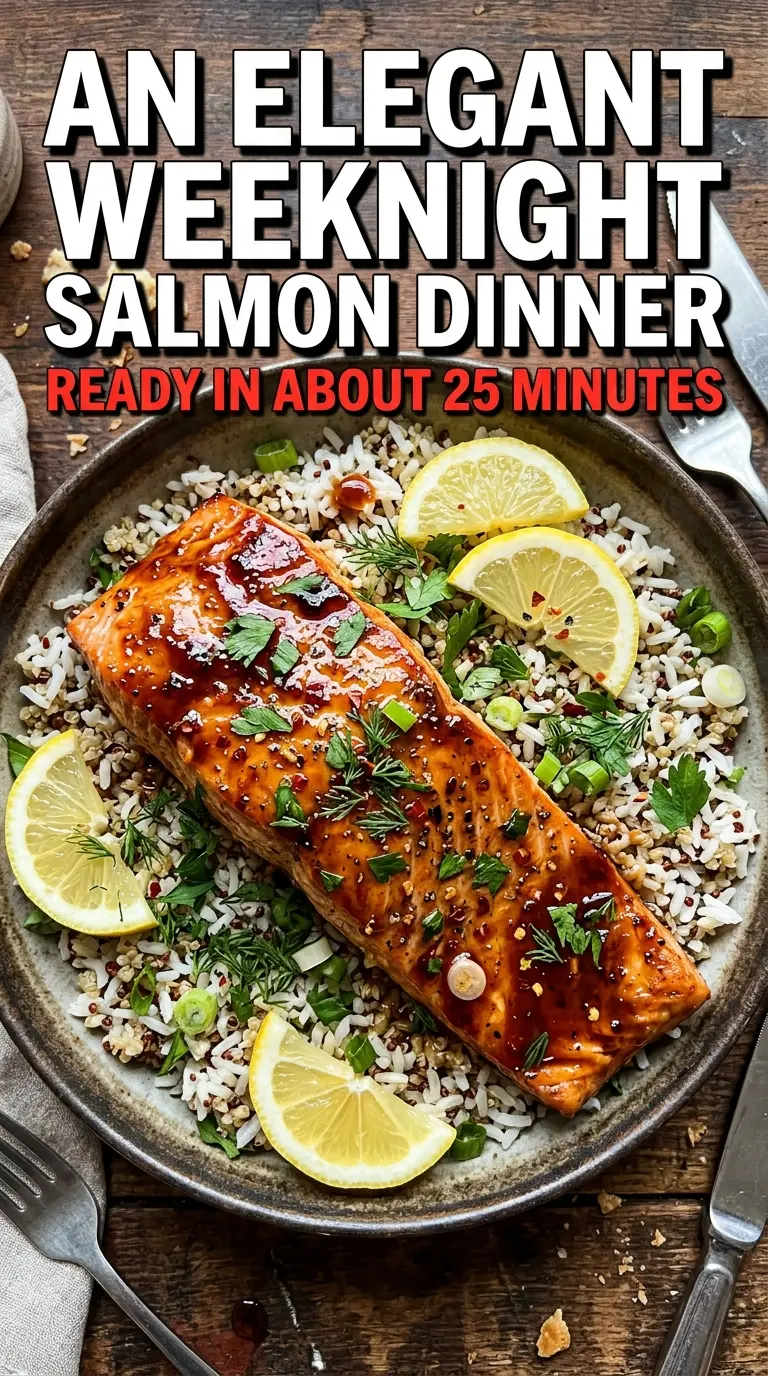
- Salmon fillets — Use fillets with the skin on or off; both work. Thicker pieces handle the broiler best because they stay juicy while the glaze caramelizes on top. If your fillets are uneven, tuck the thinner tail end under a little so it doesn’t overcook before the center is done.
- Bourbon — This adds warmth and a light oak note that water or stock can’t mimic. The alcohol cooks down in the simmer, leaving behind depth rather than a raw boozy taste. If you need to skip it, apple juice with a teaspoon of cider vinegar gets you close in sweetness and tang, though it will taste softer.
- Brown sugar — This is what makes the glaze cling and caramelize. White sugar will sweeten it, but it won’t give the same molasses edge or the same sticky finish under the broiler.
- Soy sauce — It brings salt and umami, which keeps the glaze from reading as dessert. Low-sodium soy sauce works fine if that’s what you keep on hand; just don’t cut it entirely or the glaze tastes flat.
- Dijon mustard — Dijon sharpens the glaze and helps it emulsify slightly, so it coats the salmon instead of separating into slick and syrup. Yellow mustard tastes harsher and less polished here.
- Garlic — Fresh garlic gives the glaze a savory backbone. Mince it finely so it softens in the simmer; chunky pieces can scorch under the broiler.
- Olive oil — A light brushing on the baking sheet or fish helps the glaze move evenly and keeps the salmon from sticking. You don’t need much, but skipping it makes the bottom side more likely to cling to the foil.
How to Build the Glaze and Broil Without Burning It
Reducing the glaze to the right consistency
Whisk the bourbon, brown sugar, soy sauce, Dijon, and garlic in a small saucepan, then bring it to a steady simmer over medium heat. You’re looking for bubbles around the edges and a slightly thicker texture that coats a spoon, not a syrup so dense it turns tacky in the pan. If it boils hard, the sugar can taste sharp and the garlic can pick up a bitter edge.
Brushing before the broiler goes on
Set the salmon on a foil-lined baking sheet and brush it generously with the reduced glaze. Don’t pour all of it on at once; that usually floods the pan and robs you of the caramelized top. A thin, even coat is what helps the sugars brown instead of slide off.
Finishing under intense heat
Broil for 6 to 8 minutes, then brush with more glaze halfway through. The surface should darken to a deep mahogany sheen, and the salmon should flake at the thickest point when pressed with a fork. If the glaze is browning too fast before the fish cooks, move the tray down a rack rather than lowering the broiler too much.
The final gloss
Reserve half the glaze before it touches the raw salmon, then drizzle it over the cooked fish right before serving. That extra layer gives the dish a fresh, glossy finish and a sharper bourbon aroma. Once the salmon is cooked, don’t return it to the broiler for the final drizzle or the sauce can turn sticky in the wrong way.
Three Ways to Make This Bourbon Glazed Salmon Work at Your Table
No-Alcohol Version That Still Has Depth
Replace the bourbon with apple juice and add 1 teaspoon of cider vinegar or lemon juice. You’ll lose the oakiness, but the glaze will still reduce into a glossy, sweet-tangy sauce that works well with salmon.
Gluten-Free Adjustment
Use a certified gluten-free soy sauce or tamari. The flavor stays nearly the same, but tamari usually tastes a little rounder and less sharp, which works nicely with the sweetness in the glaze.
More Heat, Less Sweetness
Add a pinch of red pepper flakes or a small splash of hot sauce to the glaze. That keeps the caramelized finish but shifts the balance toward savory, which is useful if you want the bourbon to read as deeper and less dessert-like.
Stovetop Instead of Broiler
If your broiler runs hot or uneven, sear the salmon in an oiled skillet over medium-high heat and spoon the glaze over it during the last minute. You’ll get a less dramatic top crust, but the fish stays moist and the glaze still tightens up in the pan.
Storage and Reheating
- Refrigerator: Store leftovers in an airtight container for up to 2 days. The glaze stays tasty, but the salmon texture softens a bit after chilling.
- Freezer: I don’t recommend freezing this one. The glaze can separate and the salmon usually turns mealy when thawed.
- Reheating: Warm gently in a 275°F oven, covered loosely with foil, just until heated through. High heat dries out salmon fast, and the glaze can go from glossy to sticky-burned if you blast it in the microwave.
Answers to the Questions Worth Asking
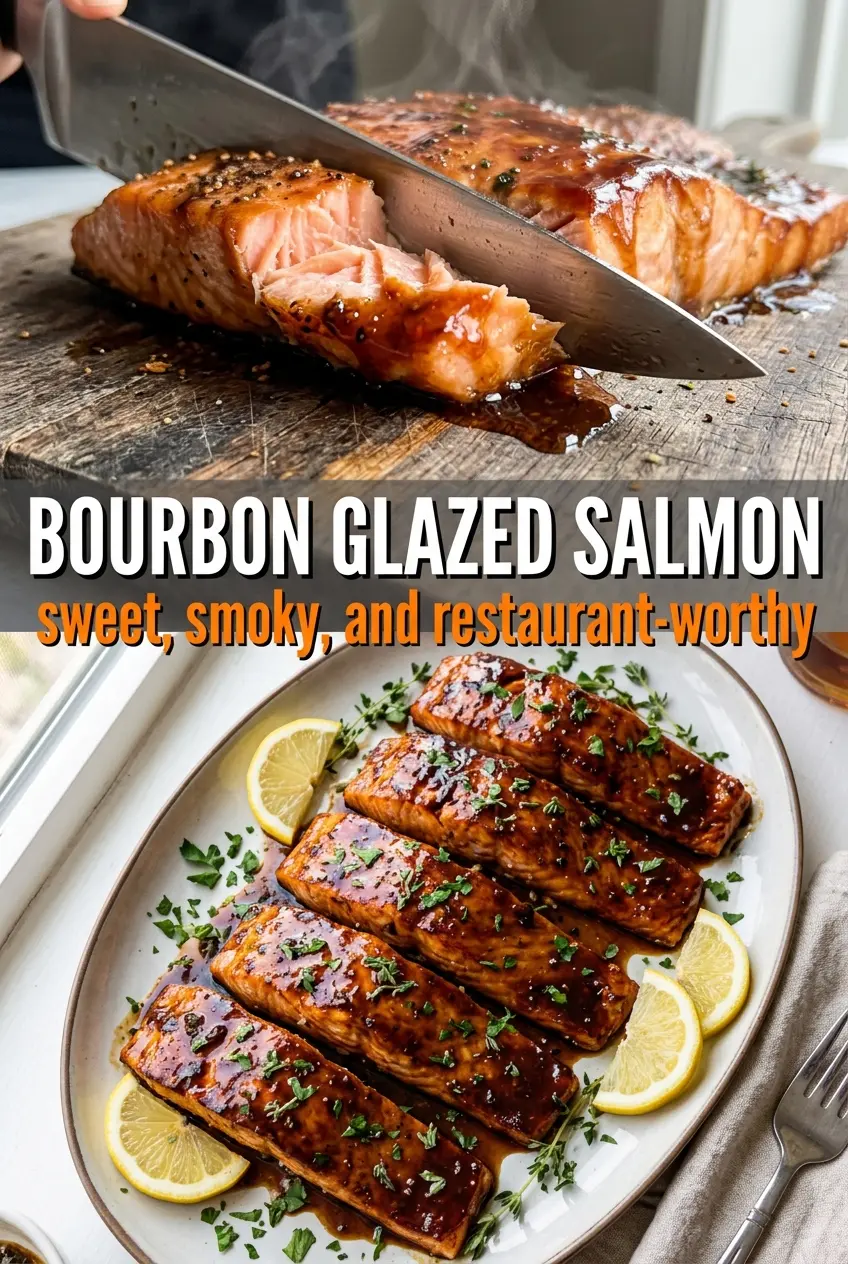
Bourbon Glazed Salmon
Ingredients
Equipment
Method
- Whisk together the bourbon, brown sugar, soy sauce, Dijon mustard, and garlic in a small saucepan until smooth and the sugar looks dissolved.
- Simmer over medium heat for 5–7 minutes, until slightly thickened, then set aside half for serving.
- Preheat the broiler and line a sheet pan with foil, then place the salmon fillets on the pan and brush lightly with olive oil.
- Brush the salmon generously with the remaining glaze.
- Broil for 6–8 minutes, brushing with more glaze halfway through, until the salmon flakes easily and the glaze is caramelized.
- Drizzle the reserved glaze over the cooked salmon.
- Garnish with fresh chives and serve immediately.